How Often Should You Visit a Hair Salon for Color, Cuts, and Maintenance?

How often you need to visit the salon depends on what services you're getting, how your hair grows, and what your goals are. There's no one-size-fits-all answer, but here's a thorough breakdown of recommended schedules for color, cuts, treatments, and extensions—plus the personal factors that shift those timelines up or down.
Color: Frequency Depends on the Type
Different color services have very different maintenance schedules, and treating them all the same is one of the most common mistakes we see.
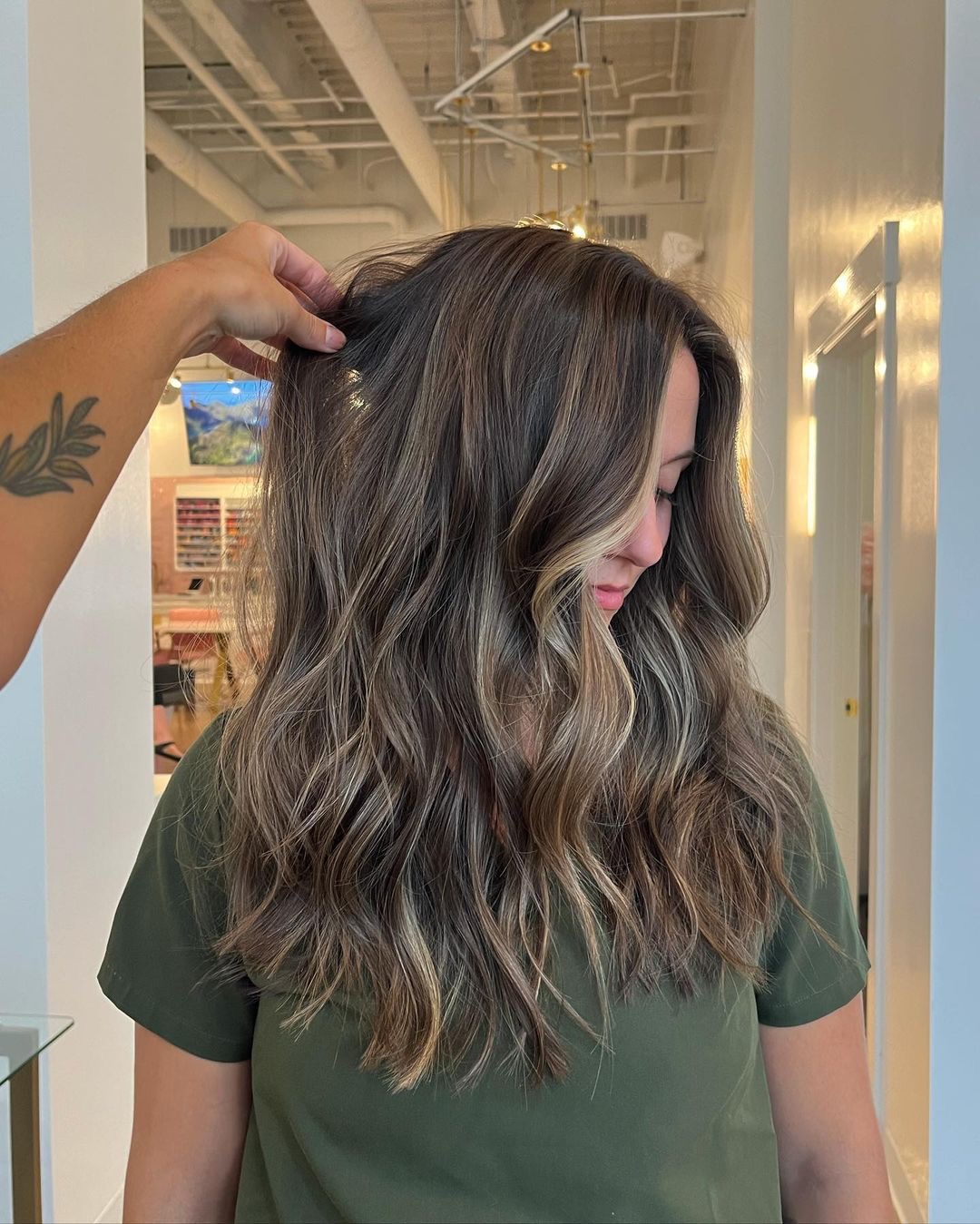
- Balayage and hand-painted highlights: every 8–12 weeks. Because the placement starts away from the scalp, the grow-out looks intentional rather than obvious.
- Traditional foil highlights: every 6–8 weeks. The lifted root area is more visible as it grows in.
- Root touch-ups (solid color): every 4–6 weeks. Single-process color shows new growth quickly, especially if there's strong contrast between your natural color and your applied color.
- Toners and glosses: every 3–4 weeks if you're maintaining a specific cool or warm shade, or every 6 weeks if you just want to revive shine and tone.
- Color corrections: these are usually multi-appointment processes spaced 4–6 weeks apart to protect the integrity of your hair.
If you're trying to maintain a very specific shade—say a true ash blonde or a vivid red—you'll be on the more frequent end of these ranges. If you're embracing a lived-in look, you can stretch.
Cuts: Shape Matters More Than the Calendar
Most people benefit from a cut every 6–8 weeks to maintain shape and remove split ends. But the right frequency really depends on your style:
- Short styles (pixies, short bobs, fades): every 4–6 weeks to keep the shape sharp.
- Mid-length cuts with layers or fringe: every 6–8 weeks so the layers don't lose their movement.
- Long hair without a strong shape: every 8–12 weeks for ends maintenance is usually enough.
- Color-treated hair: trim every 8 weeks at minimum to remove the dryer ends that color naturally creates.
If you're actively growing your hair out, trimming every 10–12 weeks (rather than skipping entirely) usually grows hair faster because it prevents breakage from working its way up the shaft.
Extensions: Maintenance Is Non-Negotiable
If you wear extensions, your appointment schedule is essentially built for you:
- Hand-tied wefts: move-up every 4–6 weeks.
- Fusion (keratin) extensions: bond checks and replacements every 4–8 weeks.
- Toppers: professional re-fit and color refresh every 6–10 weeks depending on wear.
Skipping extension maintenance is the fastest way to damage both the extensions and the natural hair underneath. We'd rather see you on schedule for less time per appointment than fix a problem later.
Treatments: The Quiet Game Changer
The clients with the healthiest, shiniest hair are almost always the ones who treat their hair like skincare. A few common treatment cadences:
- Bond-building treatments (in-salon): every 4–6 weeks for color-treated or chemically-processed hair.
- Deep conditioning masks (at home): once or twice a week.
- Keratin or smoothing treatments: every 3–6 months depending on the system.
- Scalp treatments: monthly if you have buildup, dryness, or oiliness concerns.
Treatments don't replace good cuts and color, but they're what make those services last and look their best.
Personal Factors That Change the Math
Two clients with identical haircuts can need very different schedules. Here are the variables we factor in during your consultation:
Hair growth rate. Some people grow half an inch a month; some grow a full inch. Faster growth means more frequent maintenance, especially for solid color.
Hair goals. If you want perfect color and a crisp cut at all times, you'll be on the shorter end of these ranges. If you're comfortable with a lived-in look, you can stretch.
Hair health. Damaged or chemically-stressed hair needs more frequent trims to prevent breakage from traveling up the shaft.
Lifestyle. Swimmers, cyclists, runners, and people in chlorinated or hard water all see color fade faster. Hot tool users see ends wear out faster.
Climate and seasons. St. Louis humidity in summer and dry indoor heat in winter both affect hair differently, and your schedule may flex by season.
Hormonal changes. Pregnancy, postpartum, perimenopause, and menopause all change hair texture, growth speed, and density. We adjust schedules with you as life changes.
The Cost Argument for Staying on Schedule
It's tempting to stretch appointments to save money. In practice, staying on schedule is almost always cheaper long-term:
- A move-up appointment costs less than a removal and re-install.
- A trim every 8 weeks costs less than a corrective cut to remove broken ends.
- A toner refresh costs less than a full color correction once your tone has shifted.
We build maintenance schedules that respect your budget. If money is tight, we'd rather space out lower-priority services and keep the most important ones on track than have you skip everything and end up in corrective work.
A Sample "What This Looks Like" Schedule
To make it concrete, here's a realistic year for a balayage client with mid-length hair, no extensions:
- Week 0: Full balayage + cut + gloss
- Week 6: Gloss + trim
- Week 12: Balayage refresh + gloss + trim
- Week 20: Gloss + trim
- Week 28: Balayage refresh + gloss + trim
- Week 36: Gloss + trim
- Week 44: Balayage refresh + gloss + trim
That's roughly seven appointments in a year, alternating between heavier and lighter services. We'll customize the rhythm to your hair and budget.
Talk to Your Stylist
The best maintenance schedule is the one your stylist builds for you. At Christina White Salon, we don't push unnecessary appointments. We assess your hair, listen to your goals, and recommend a rhythm that keeps you looking great without overdoing it. If you're new to us or coming back after a long break, the first thing we'll do is rebuild a schedule that works for the version of your hair (and your life) you have right now.
Consistent salon visits are an investment in your hair health, your color, and your overall appearance. Done right, they save money, protect your hair, and make every day a good hair day.
xoxo Christina White
A Quick FAQ on Maintenance Timing
"Can I stretch my appointment by a week or two?" Almost always yes—your stylist would rather you come in slightly late than skip entirely. Just tell us when you book so we can plan the right amount of time.
"Why does my friend with the same color go in less often?" Growth rate, density, contrast between natural and applied color, and home routine all change the math. Two clients with identical services rarely need identical schedules.
"What if I miss several months?" No judgment—we'll start with an honest assessment and rebuild a schedule that works for the version of your hair you have today, not the one from a year ago.
"Do I need to come in for a gloss between color appointments?" If you're trying to maintain a specific tone (especially cool blonde or vivid red), yes. If you're happy with a soft lived-in look, a gloss every other appointment is often enough.
"What's the smallest, cheapest thing I can do to keep my hair looking great between visits?" A weekly bond-building or moisture mask at home and a silk pillowcase. Both are inexpensive, both extend the life of every service, and both are easy to actually stick with.
We answer these questions every day at our St. Louis, St. Charles, and Chesterfield locations. If you're ever unsure about timing, just text or call—we'll help you figure it out.